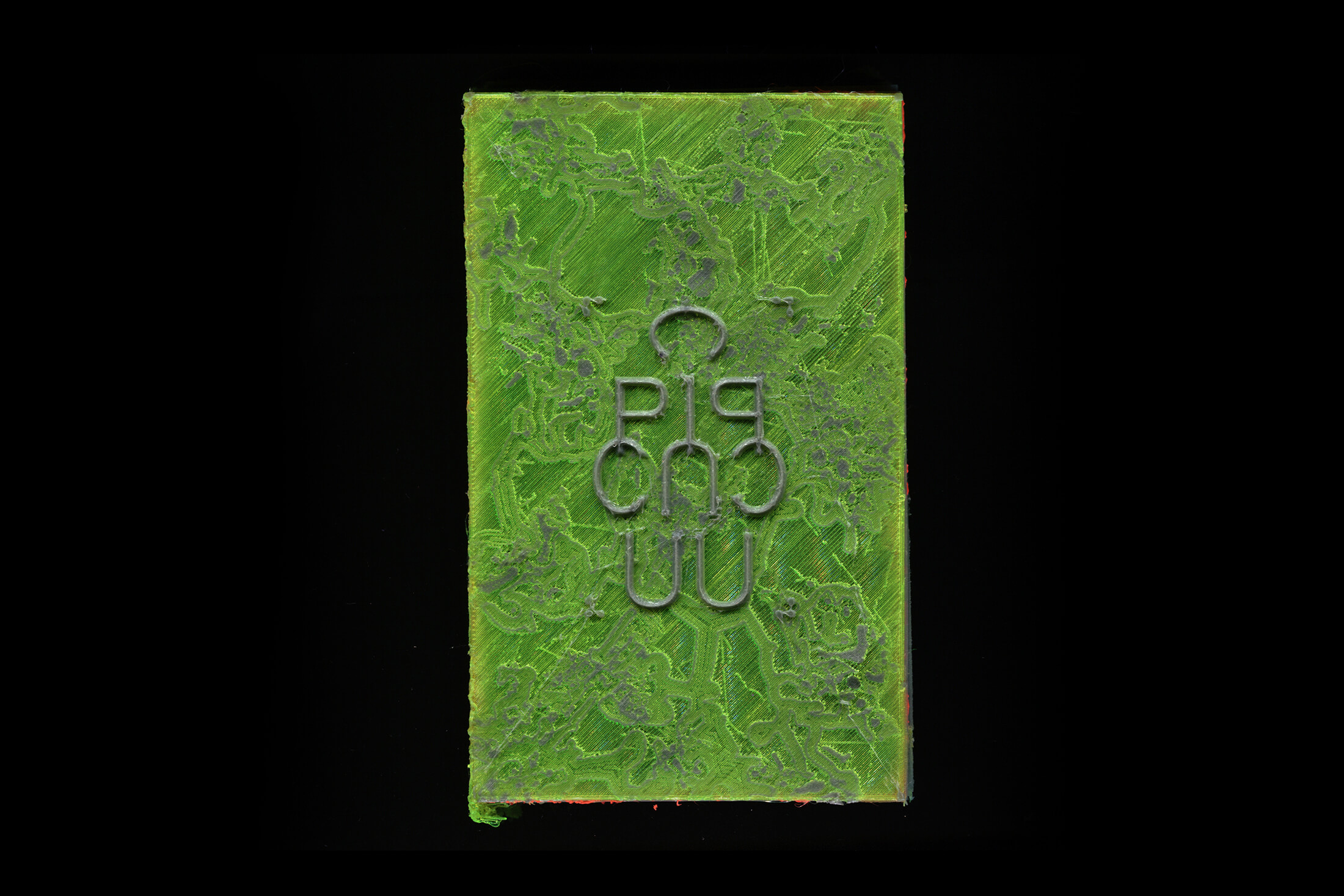
2022-23
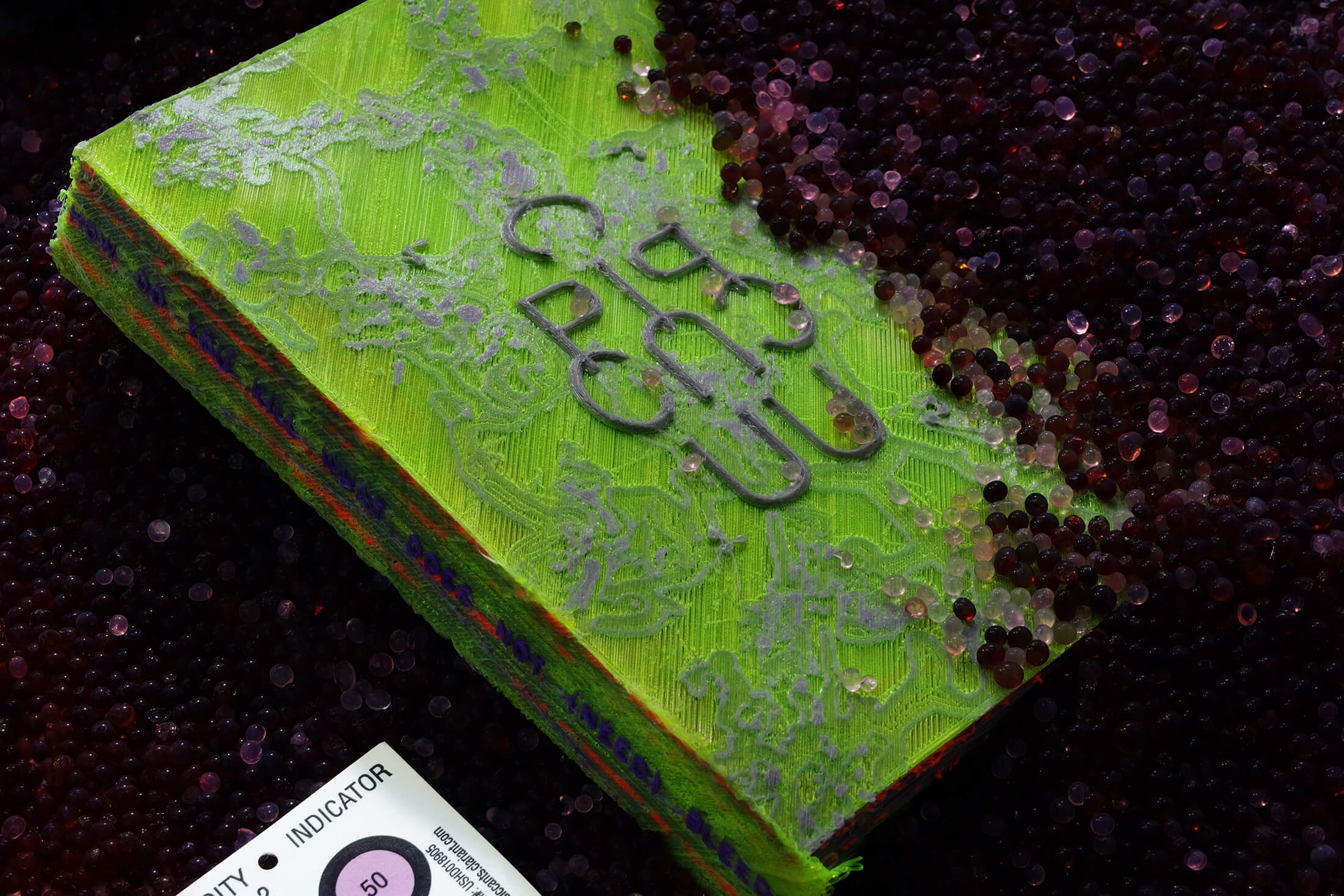
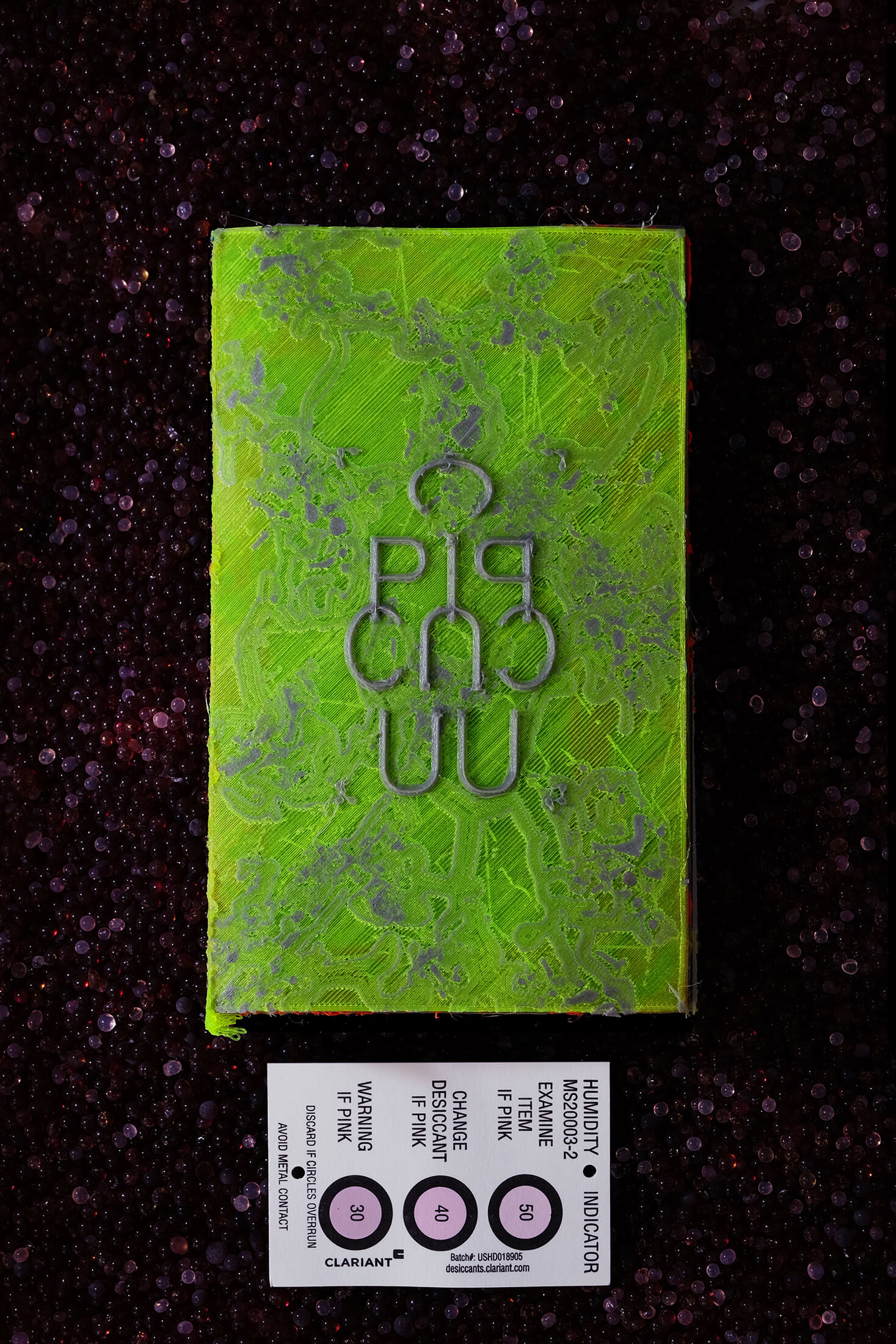
Thermoplastic polyurethane
17 × 10.5 × 2.5 cm
Edition of 1
In the permanent Design Collection of Singapore Art Museum
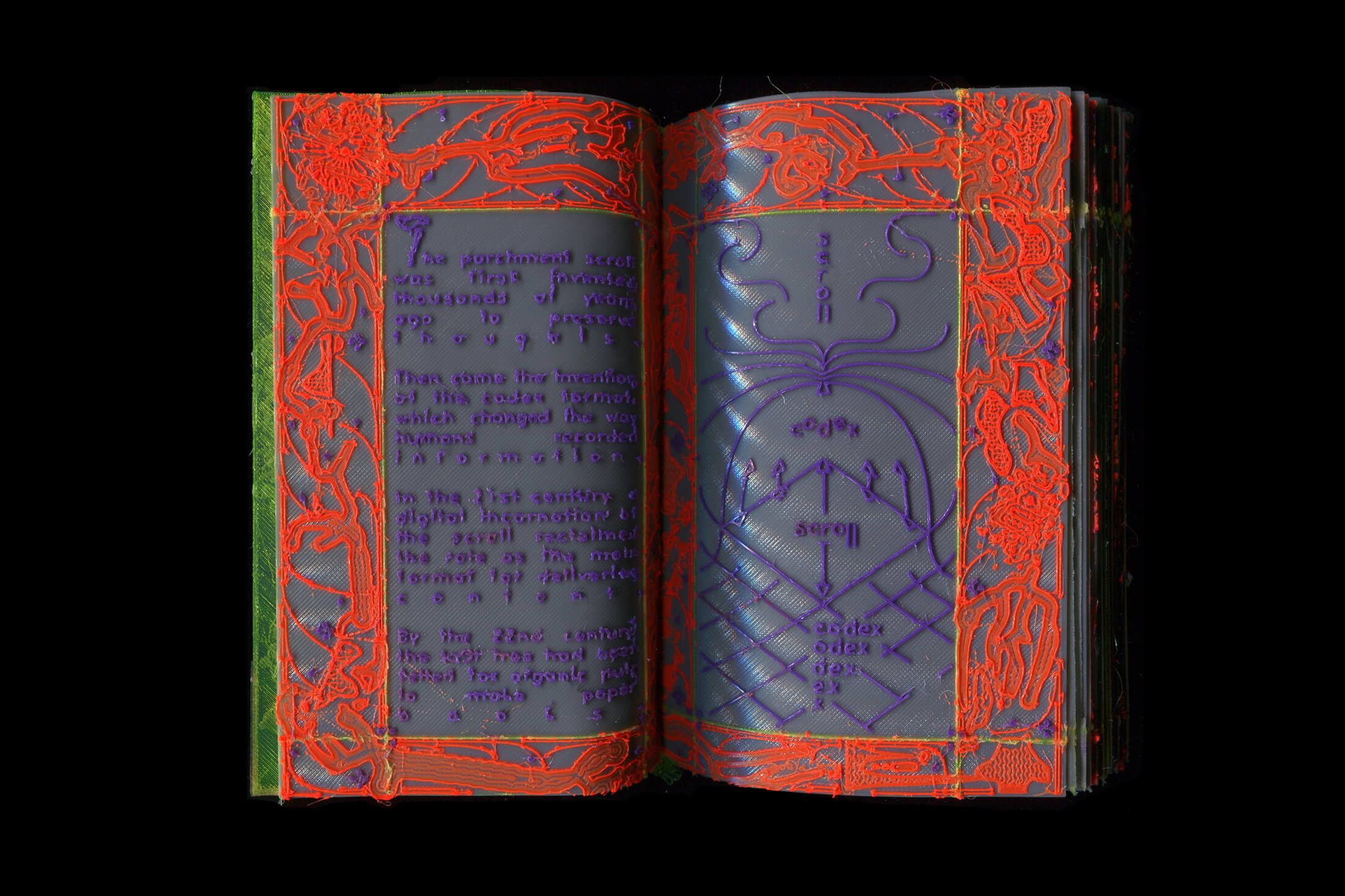
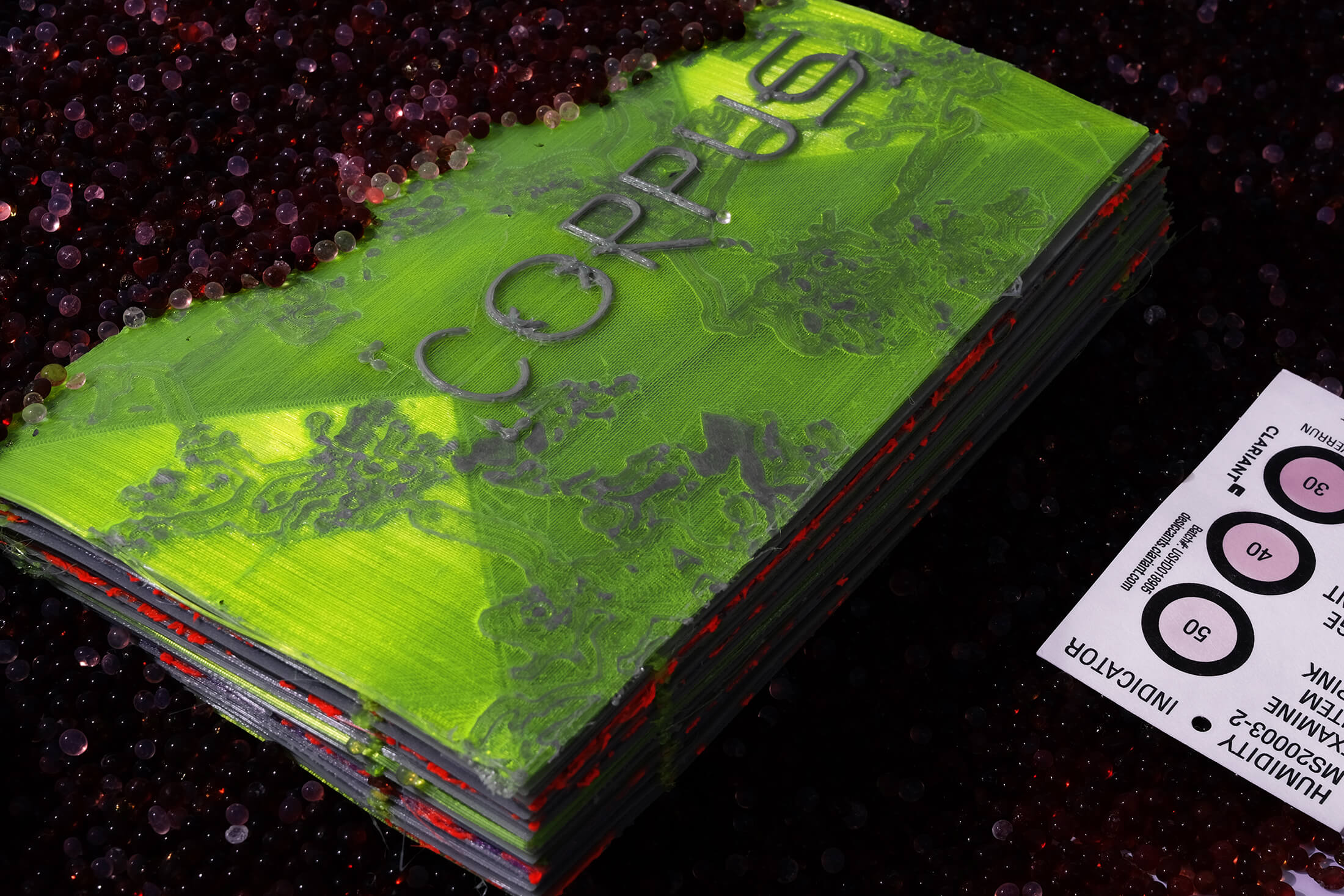
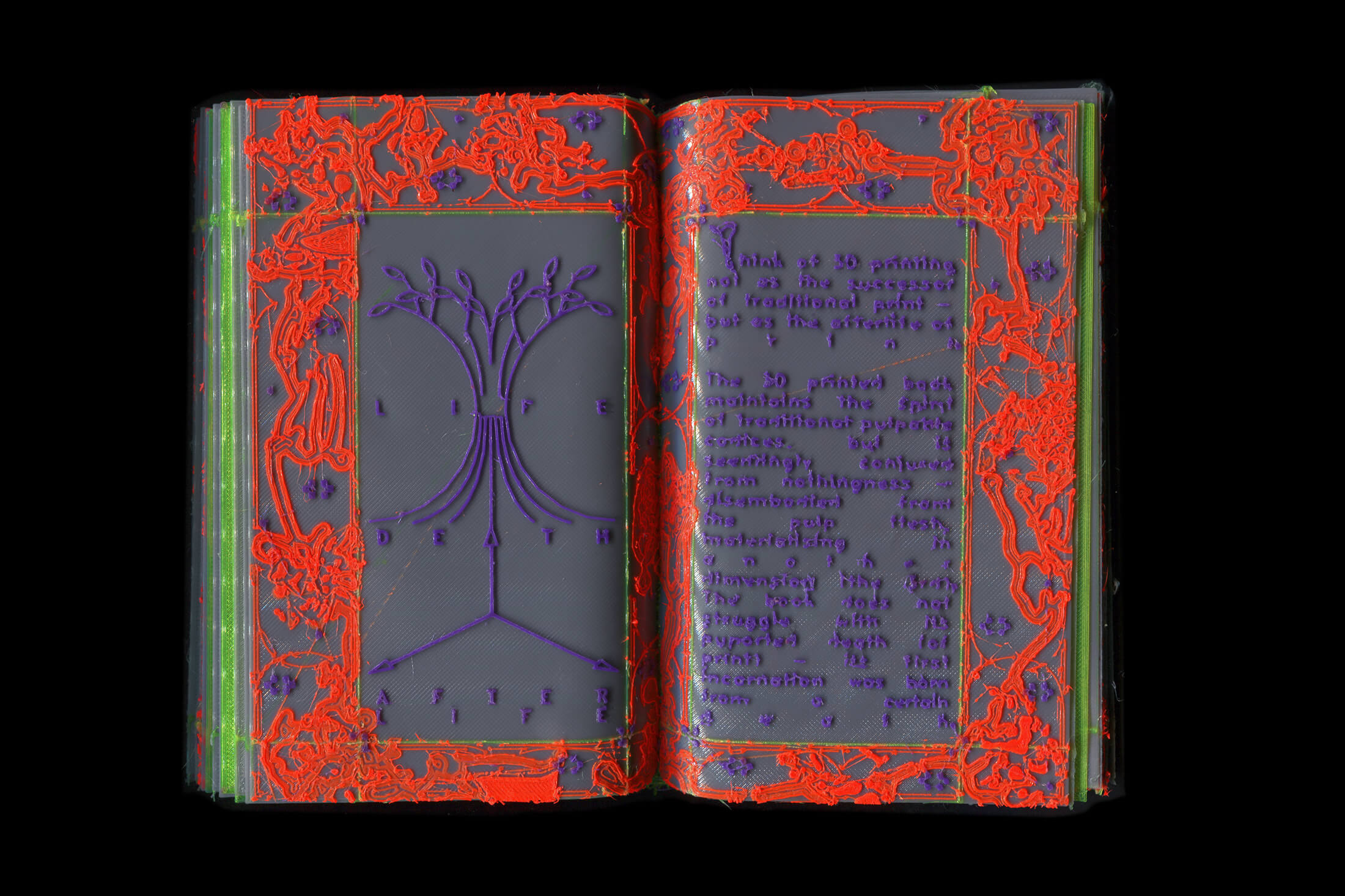
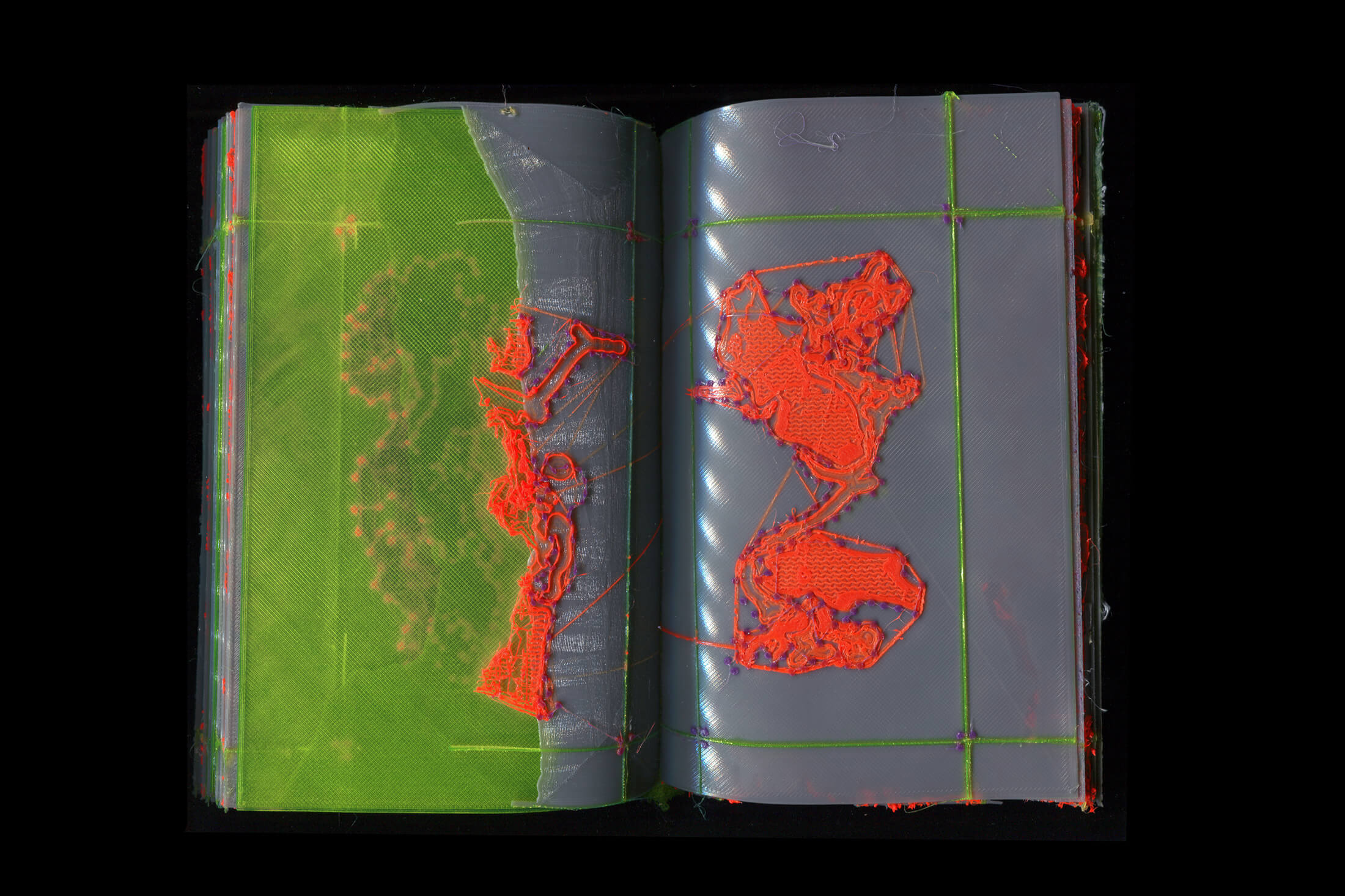
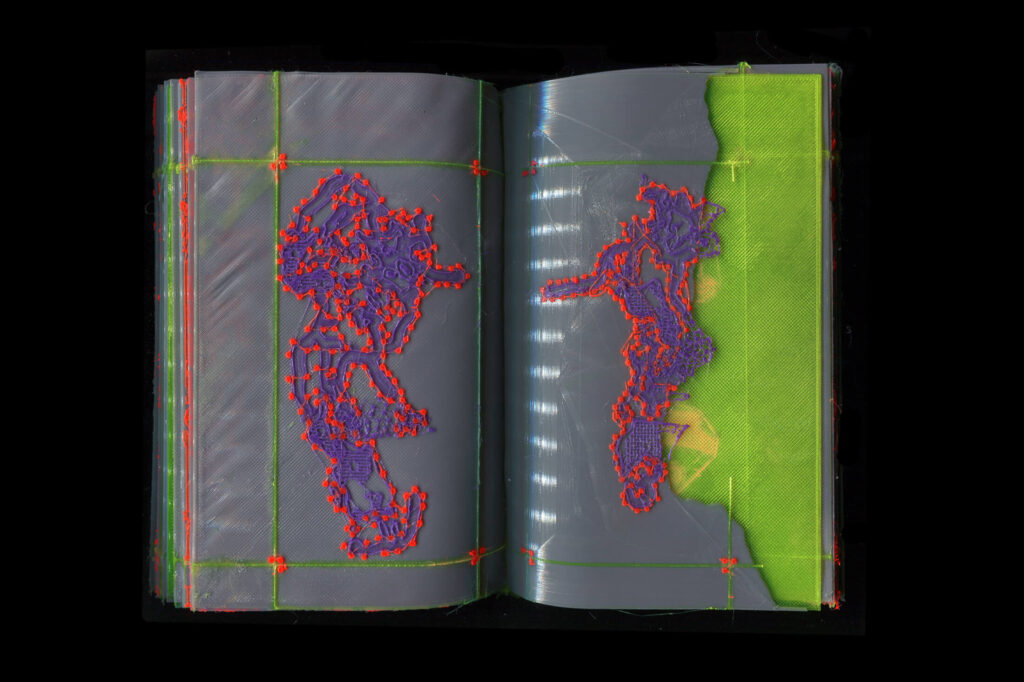
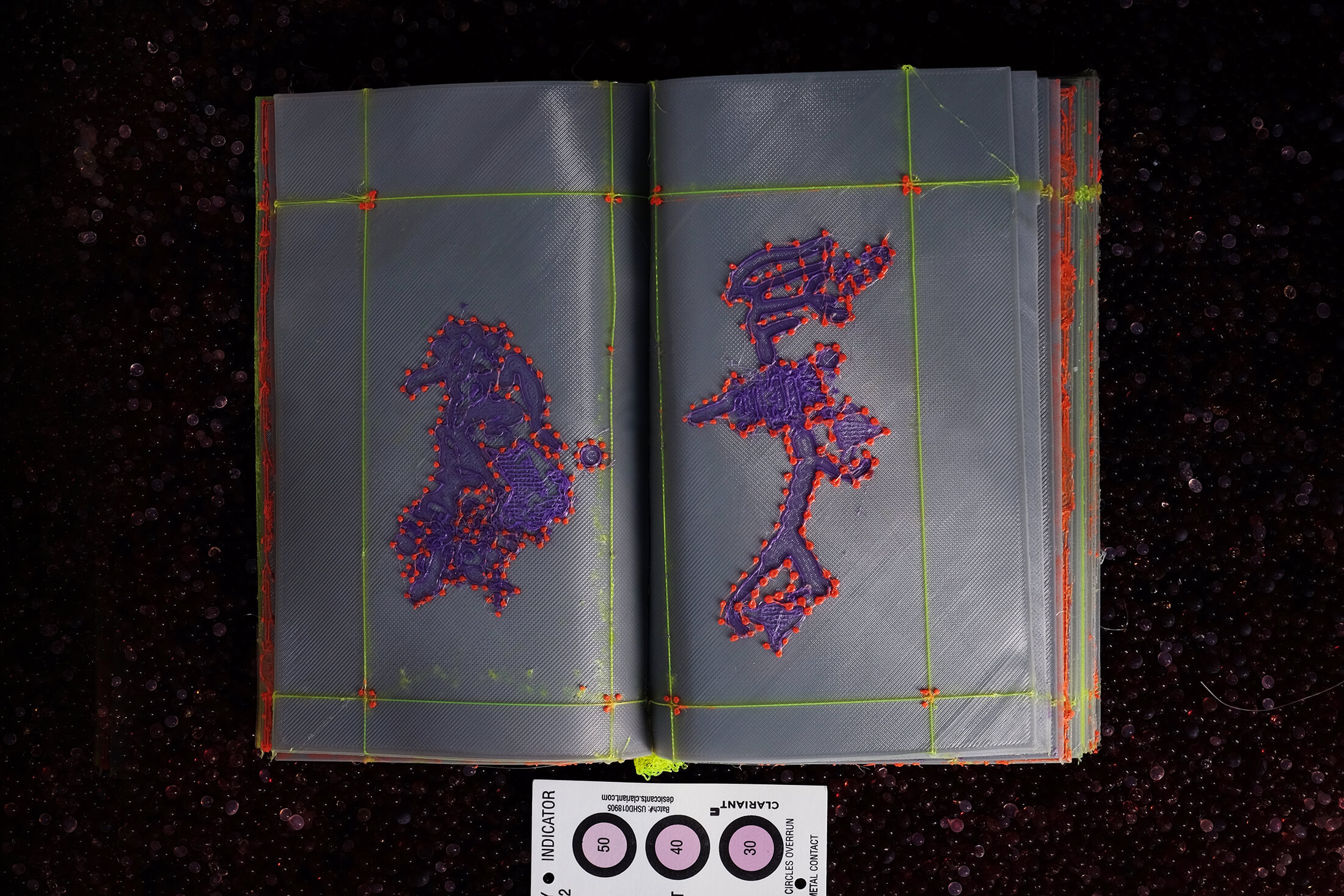
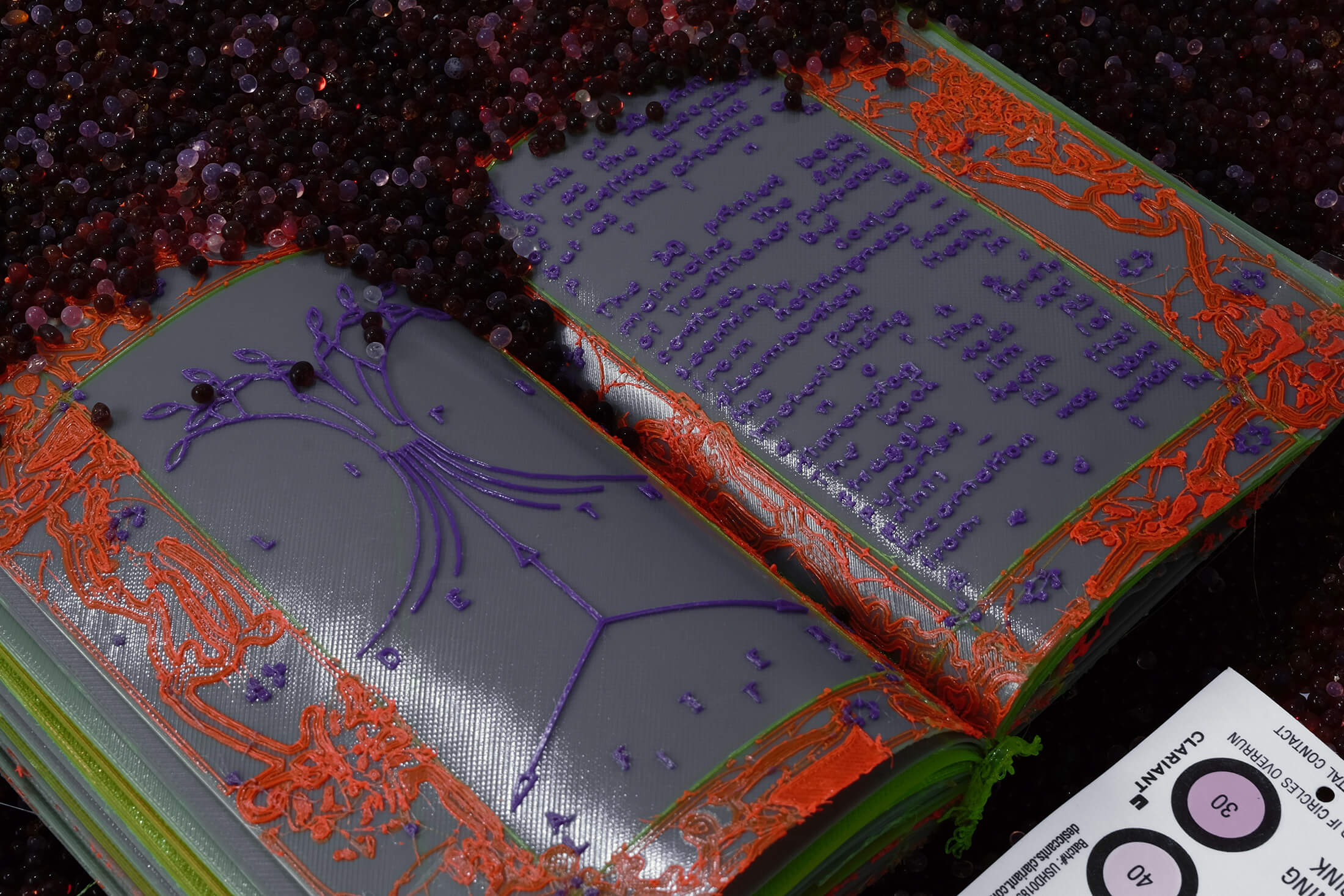
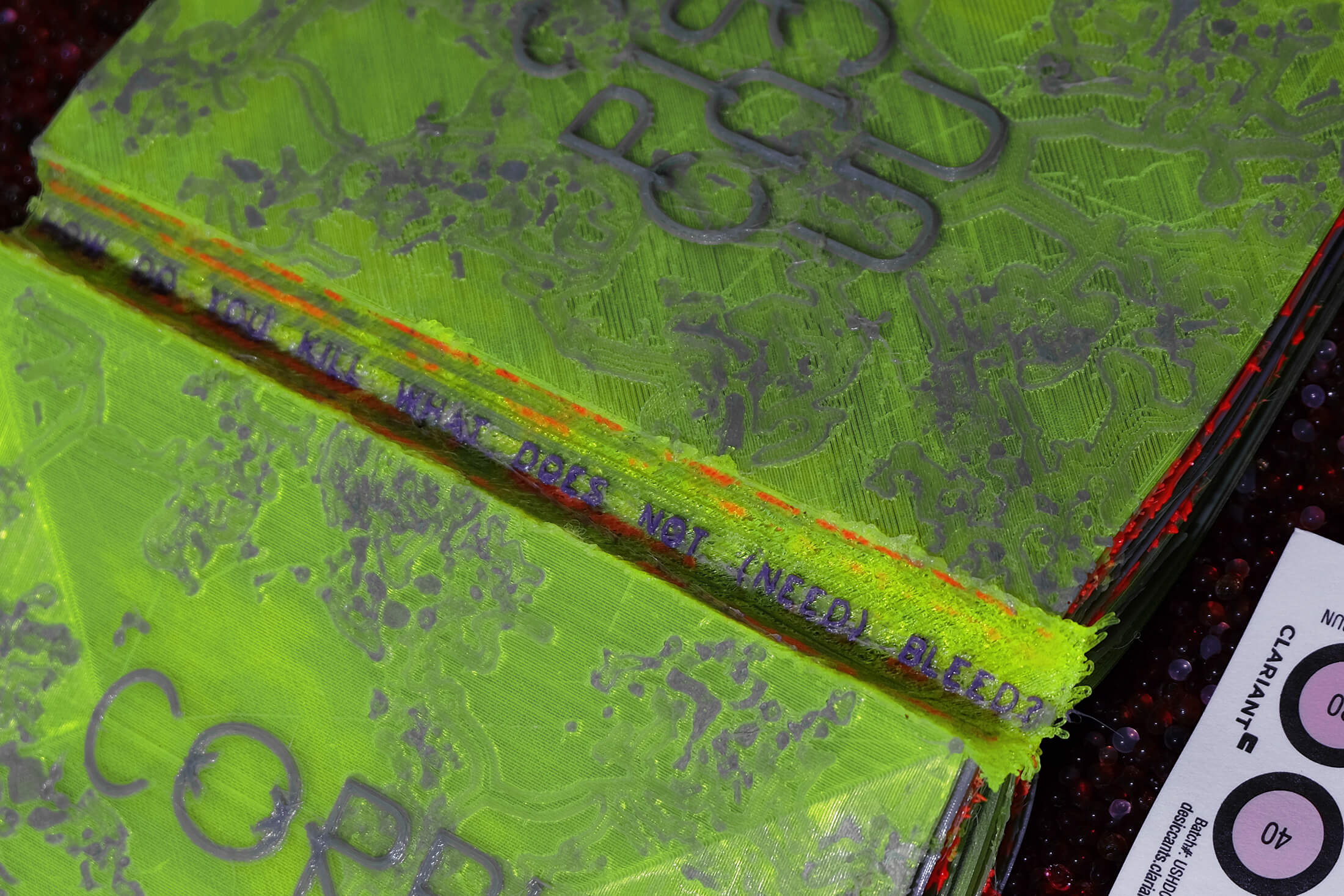
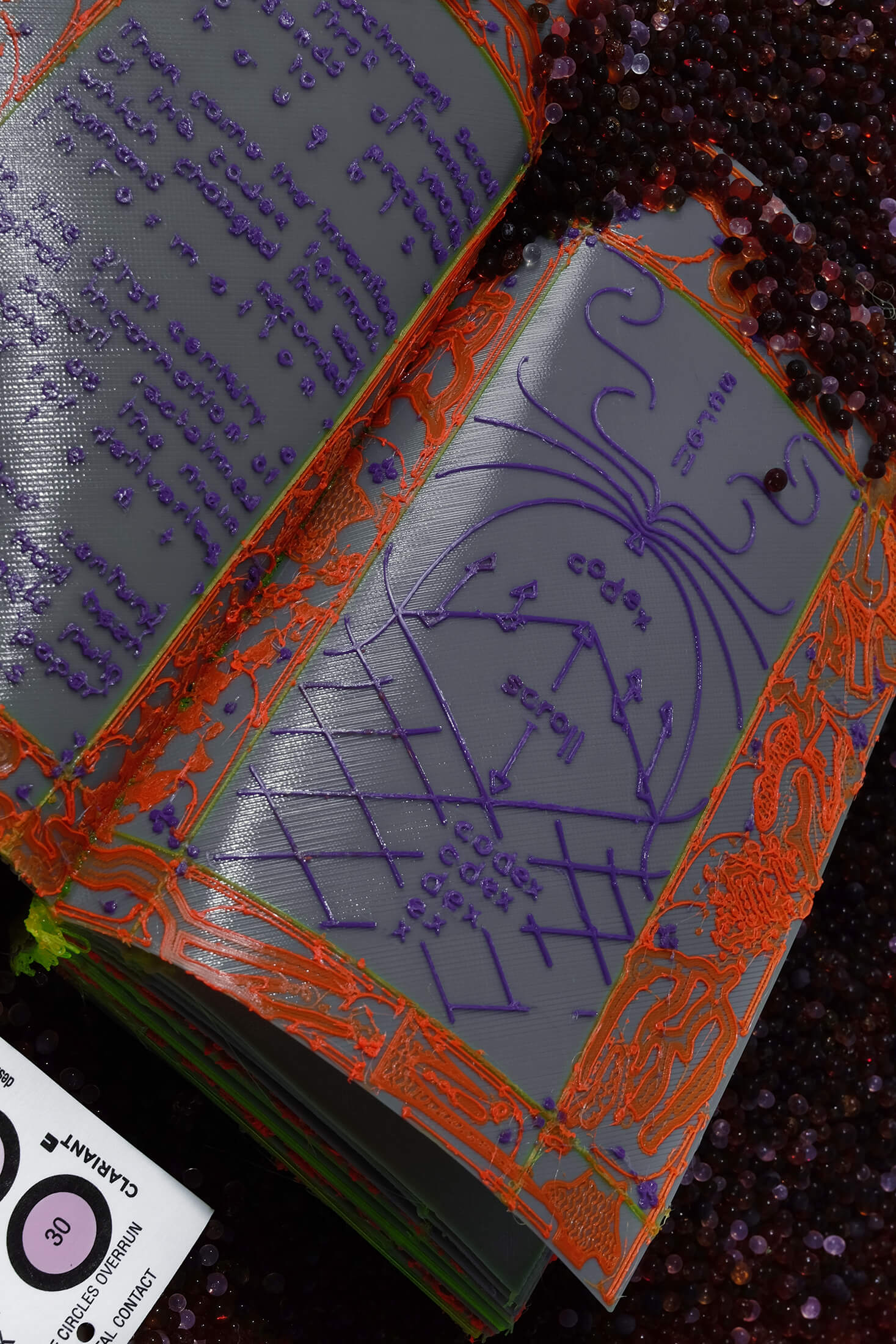
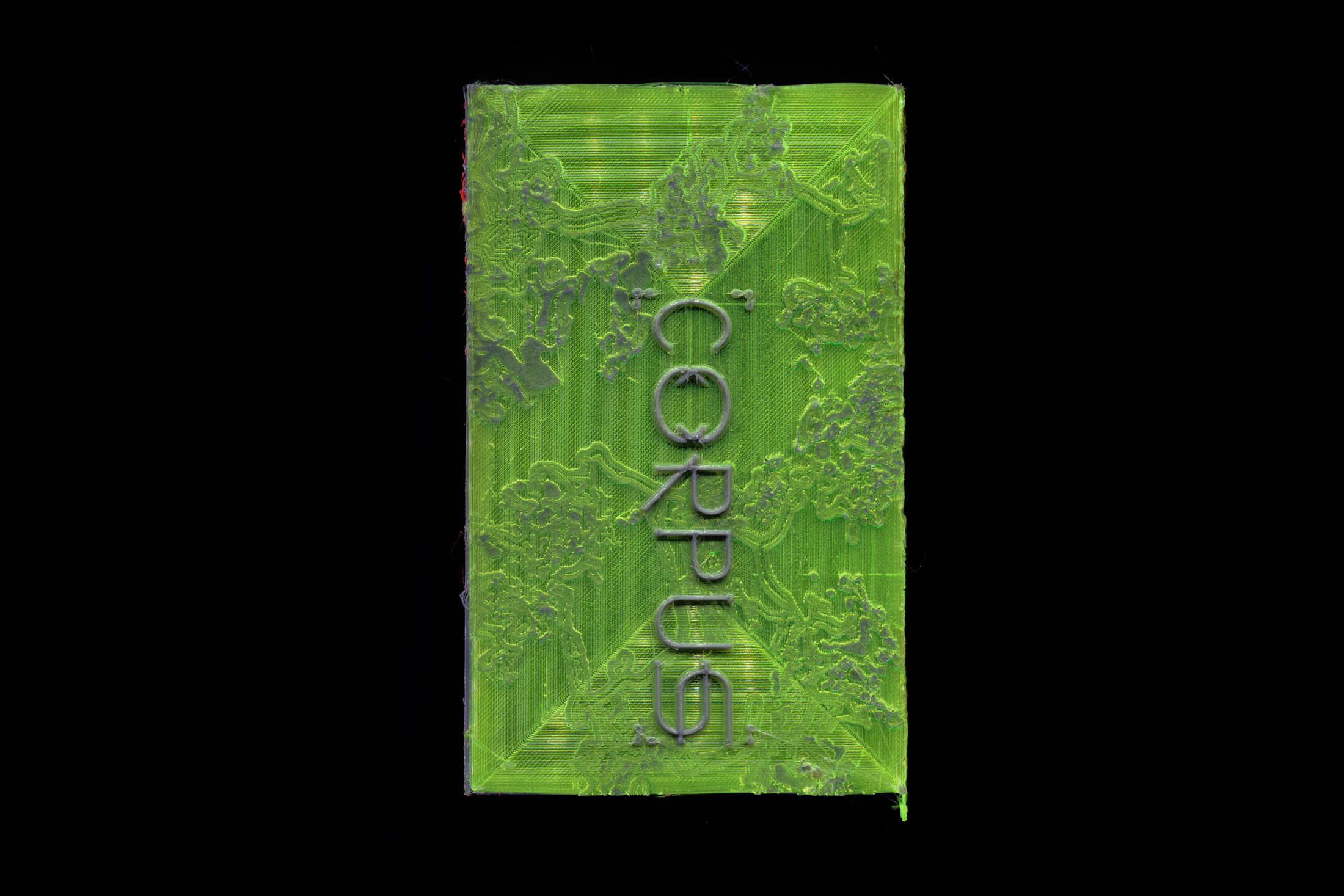
CORPUS is a fully 3D printed book exploring the relationships between materiality and mortality, dimensionality and causality; the afterlife of the codex.
Where does a book go when it dies?
With the term “3D printing”, ideas about dimensionality comes into play. “3D” printing merely refers to its increased vertical printing range as compared to its counterparts. It does not print an object in a higher/different dimension in our (already) three-dimensional world. Comparatively, an inkjet printer does not print in a two-dimensional space; “2D” is analogous to something “flatter” than “3D”. These perceptions offer interesting conceptual grounds for exploring 3D printed books.
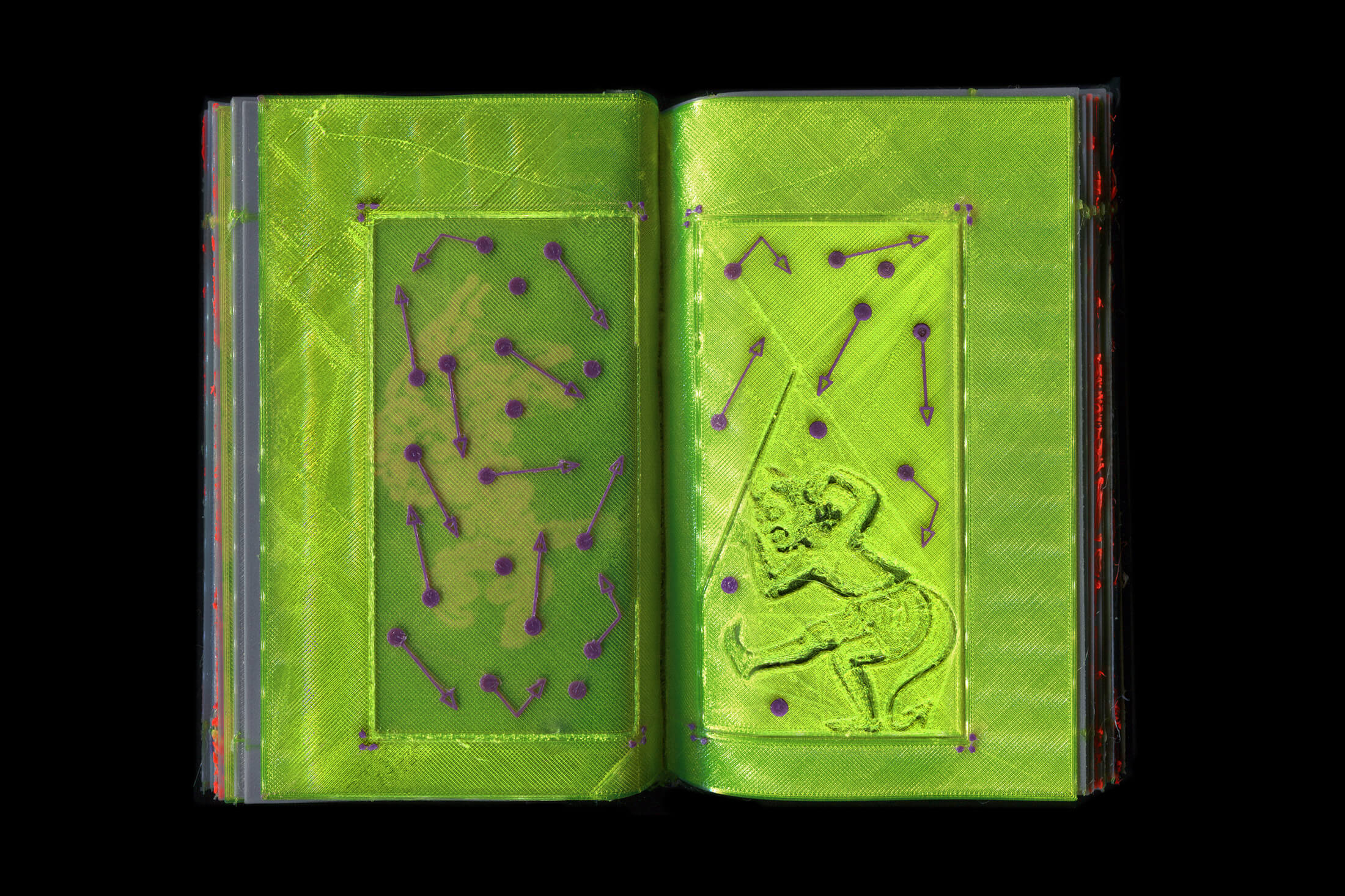
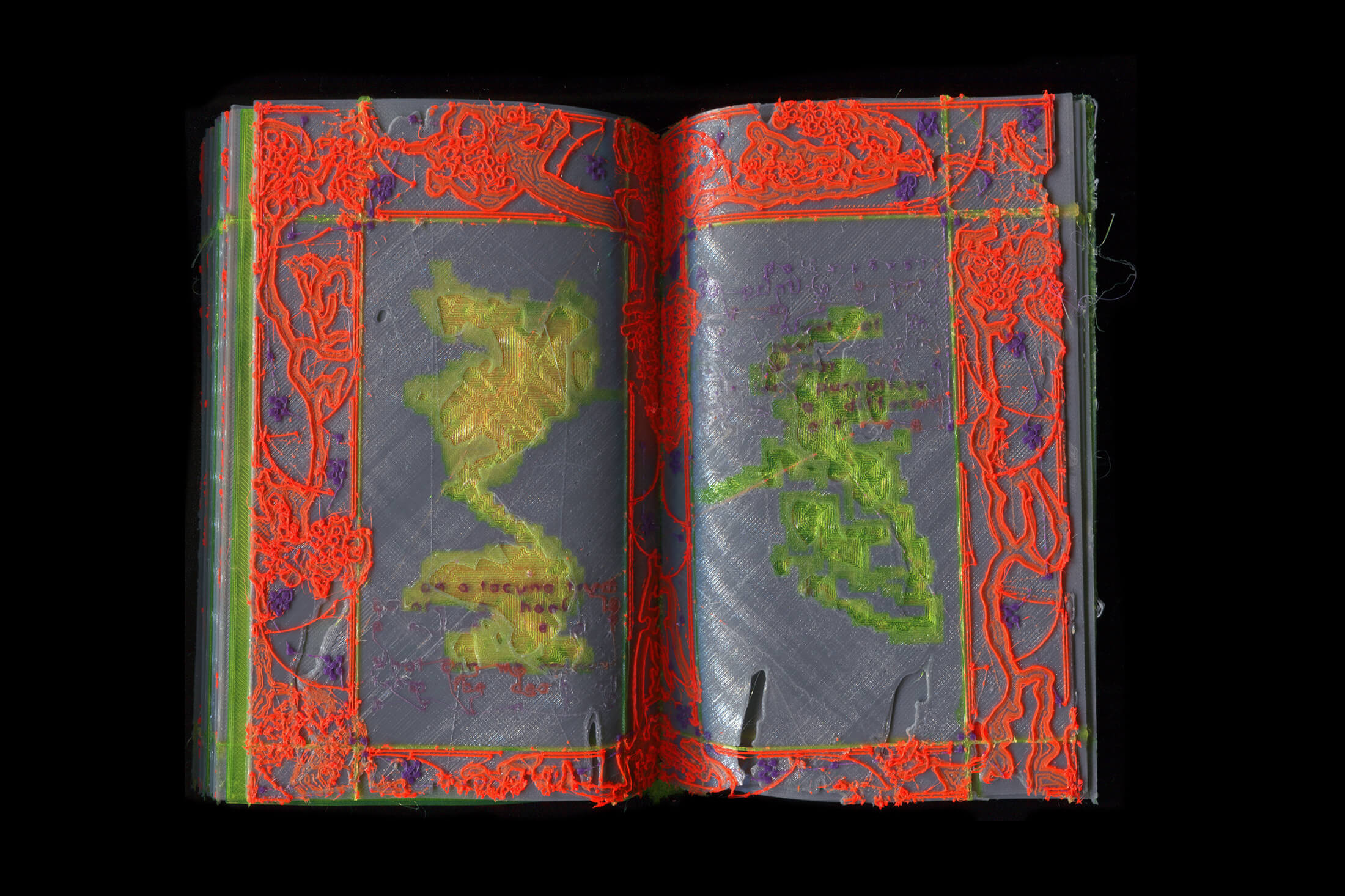
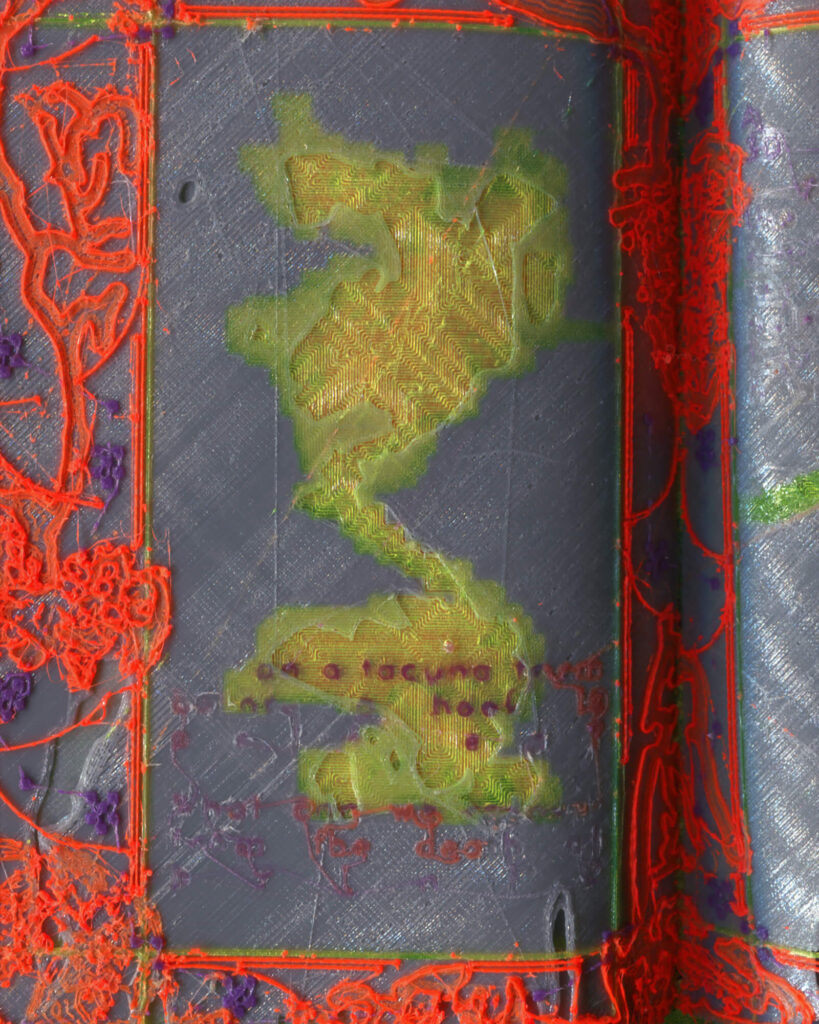
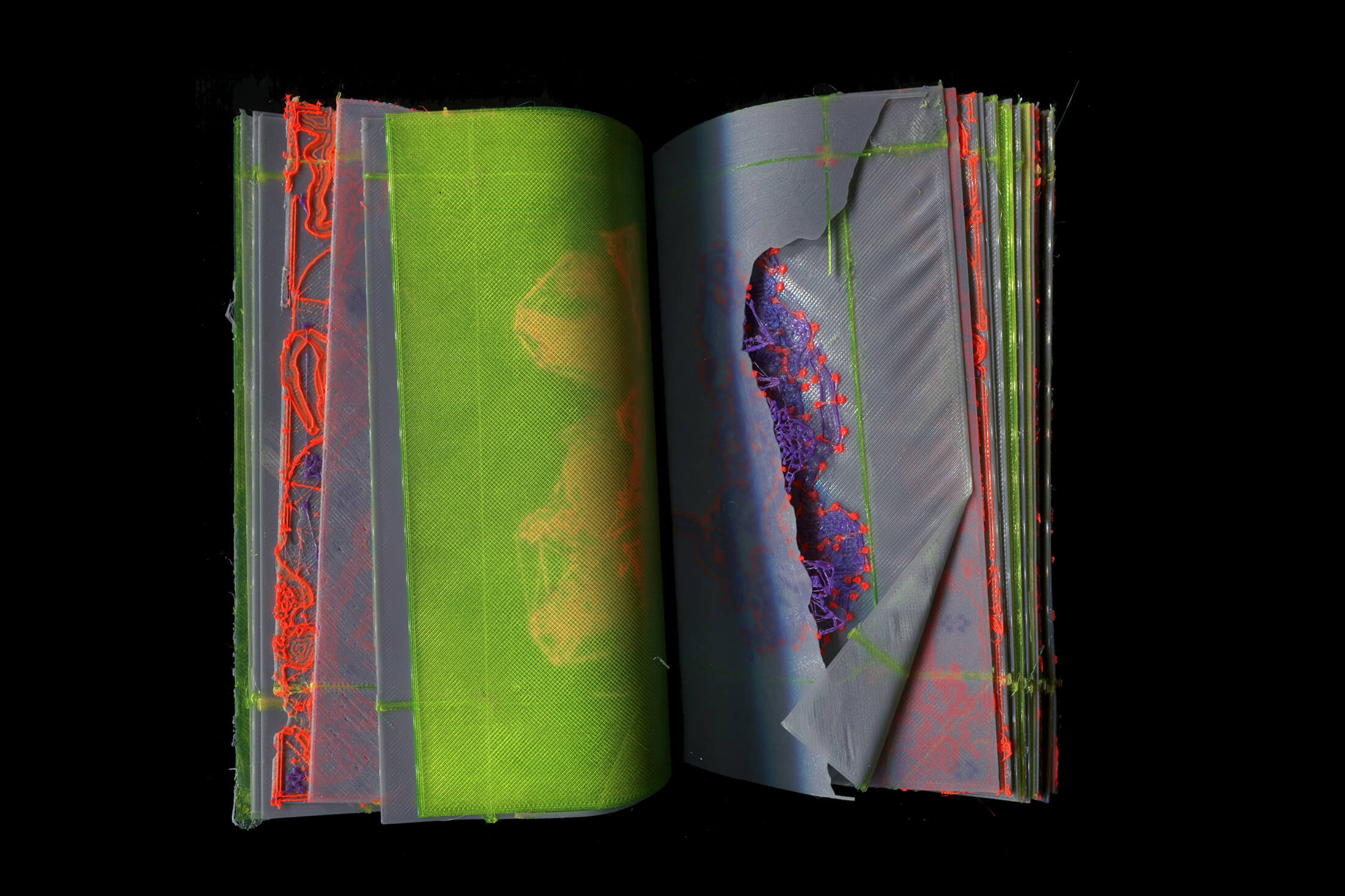
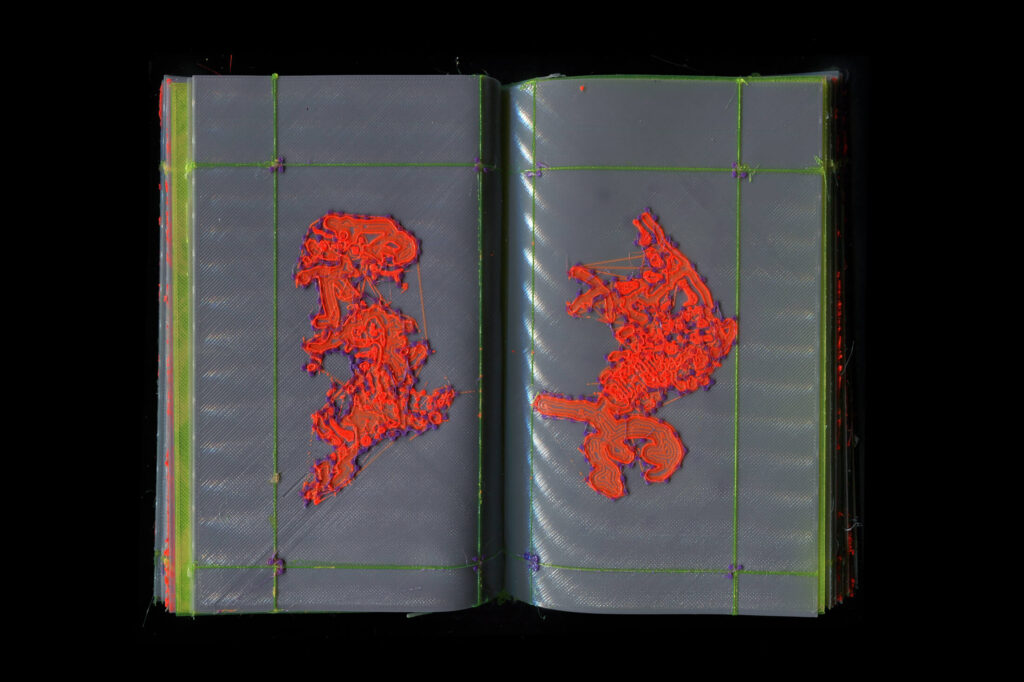
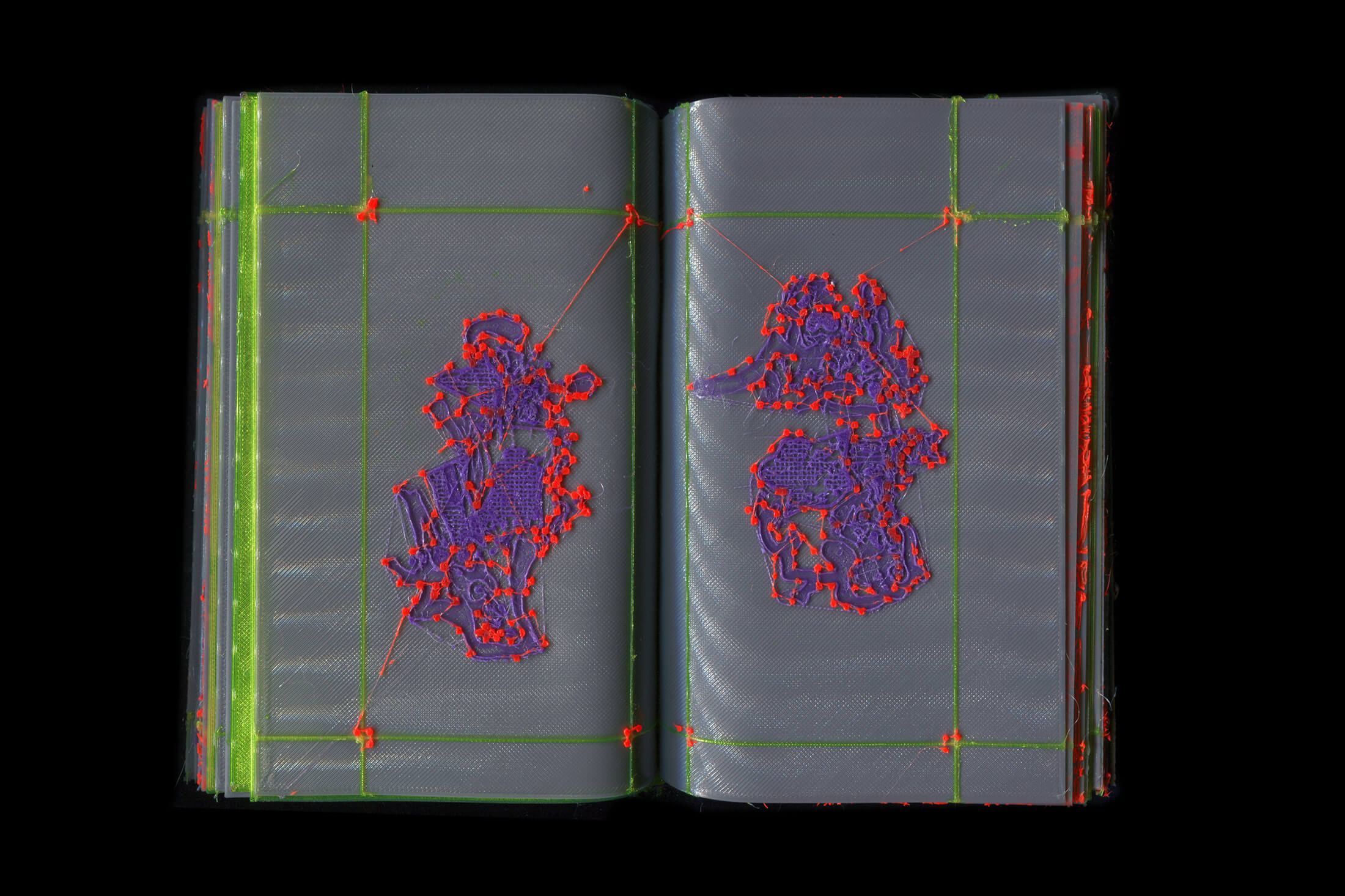
In the same vein, printing a book with the 3D printer can be described as a “flattening” of sorts—trying to print “2D” pages despite its ability to print into the “3D” space. The 3D printed book can therefore be symbolically imagined as an object from the fourth dimension: each page a slice of time, atemporal, acausal. In this book, some pages are printed, torn, battered before it is bound; each flip a slip in time. Here, without bodies, printed “images” remain suspended in space, spectres lost in time.
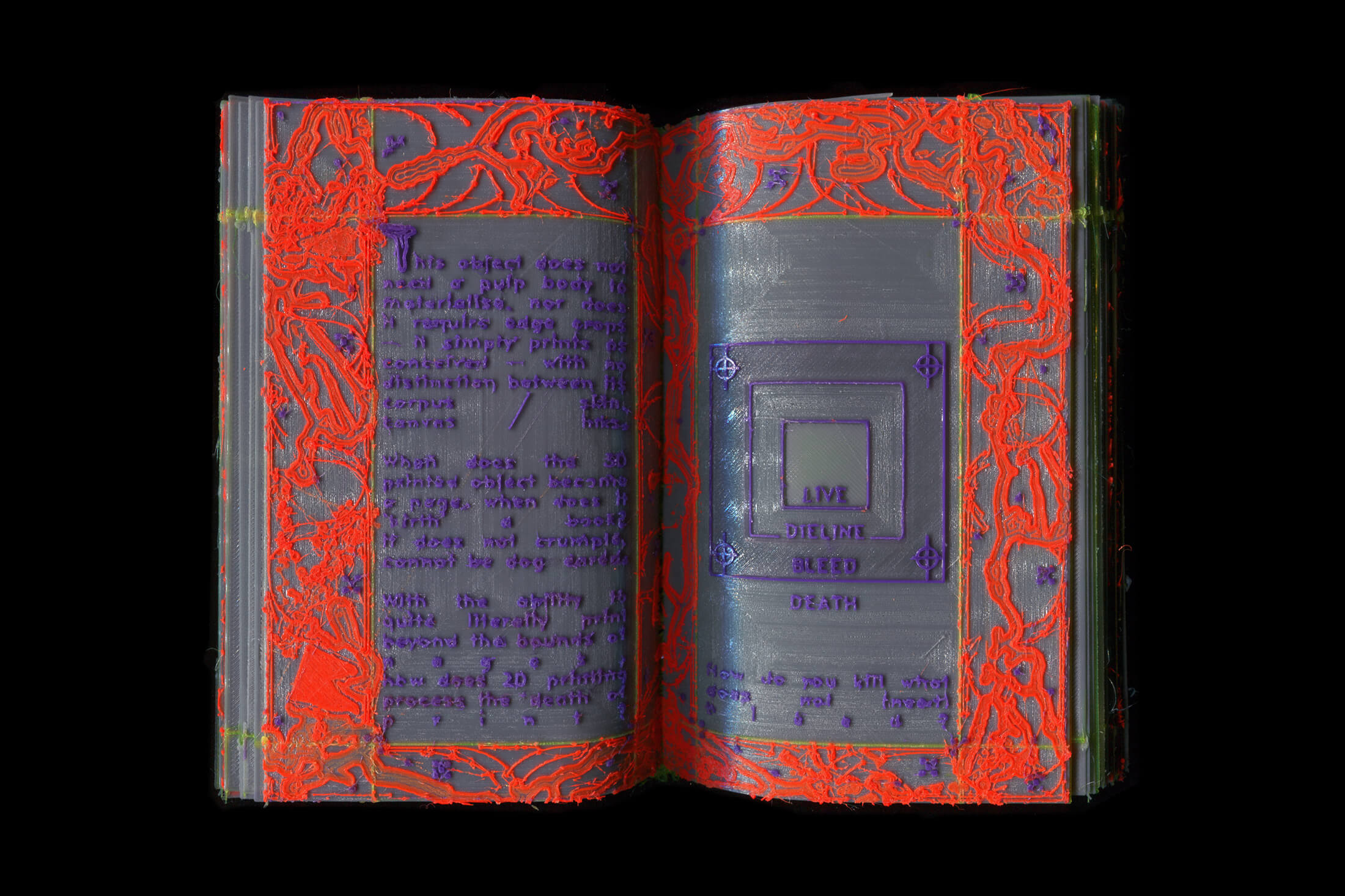
When does a book come into being?
With humanistic/phyto-centric terms for components like “leaves” and “spine”, a certain composition of parts seems necessary to create a cohesive whole, a book. Is something considered a book when its pages are bound together at the spine? Or is it when the pages are printed, when the pages are designed, or when the content is written?
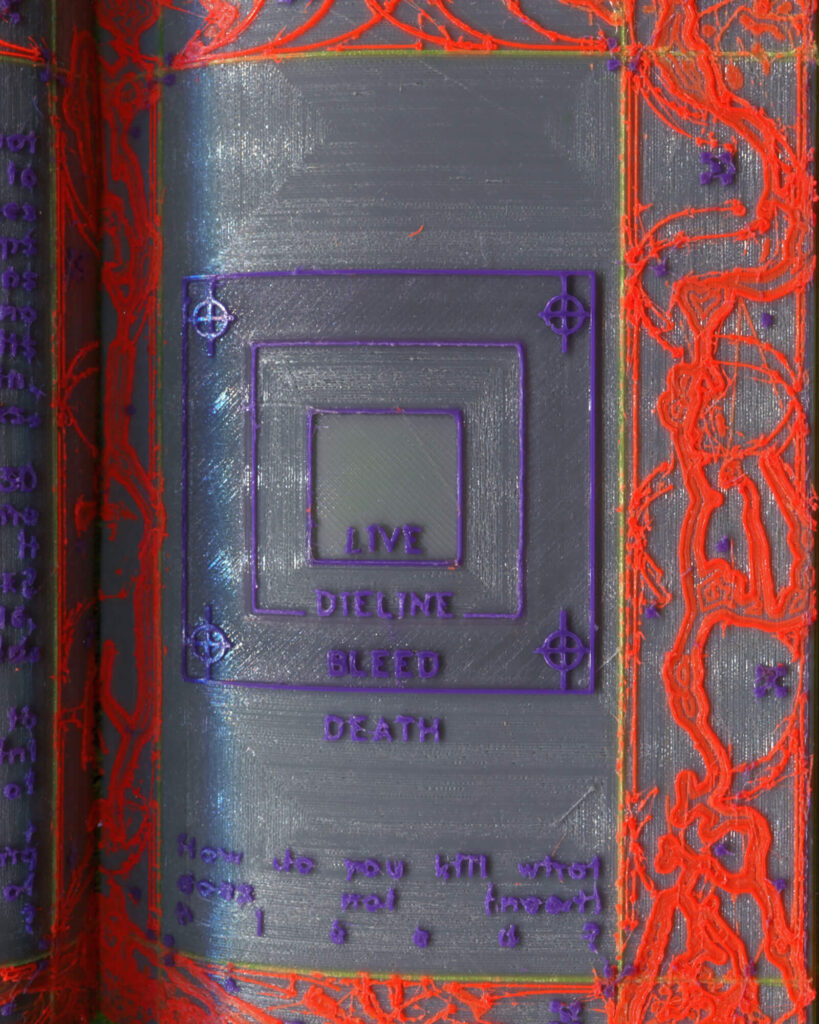
Often seen as a point-of-no-return in the design process today, the “Final Artwork” stage essentially converts an artwork from “live” to a certain finality, a “death” (of changes). Ironically, this stage marks the “birth” of the book into the physical realm.3D-scanned spread of CORPUS. Use the cursor to navigate the camera.