Fused Filament Fabrication (FFF) is one of the most widely used 3D printing methods, largely due to its accessibility to a broad range of materials. However, many of these materials, such as PLA and TPU, are chemically incompatible and do not bond when printed directly onto one another, even with full surface contact. Recent advances in FFF, such as Interlaced Topologically Interlocking Lattice (ITIL), and recent slicer-level beam interlocking features, have enabled new methods for mechanically interlocking incompatible materials, allowing for continuous multi-material printing.
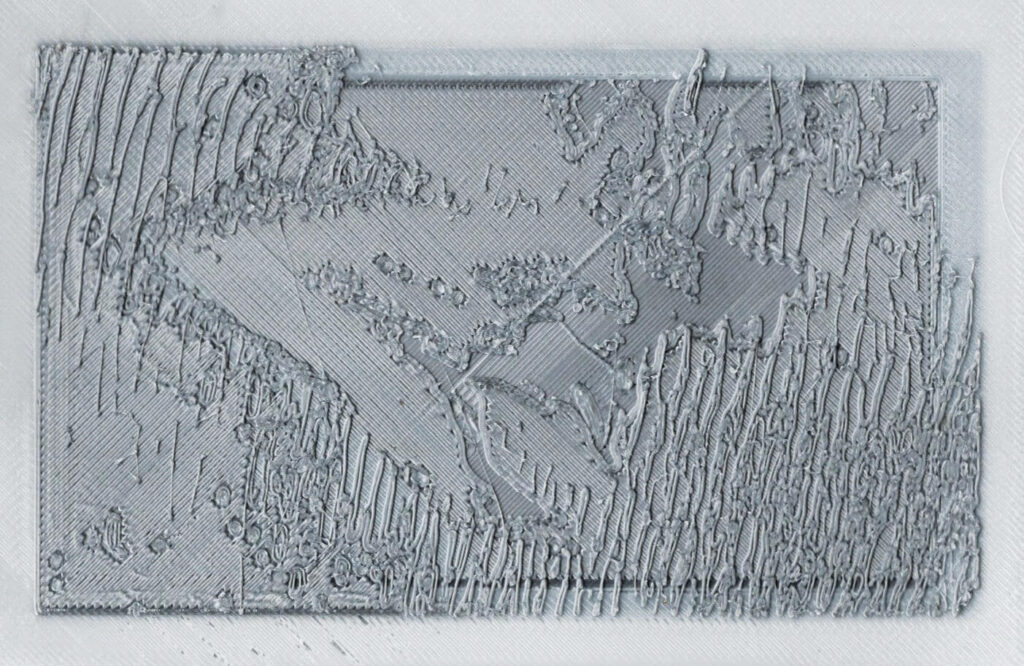
Fig.1. Showing a graphical image printed with PLA, mechanically interlocked within a TPU substrate page.
The volumetric press, by contrast, is less concerned with multi-material object fabrication and more with the multi-material composition of the page. TPU pages are ideal for their pliability, yet the material is limited in variety. Access to multi-material 3D printed page introduces new possibilities such as expanded colour palettes, textures, and functional properties. This experiment explores the feasibility of mechanical material bonding inspired by interlocking methods to print PLA-based images onto/into TPU substrates (Fig. 1).
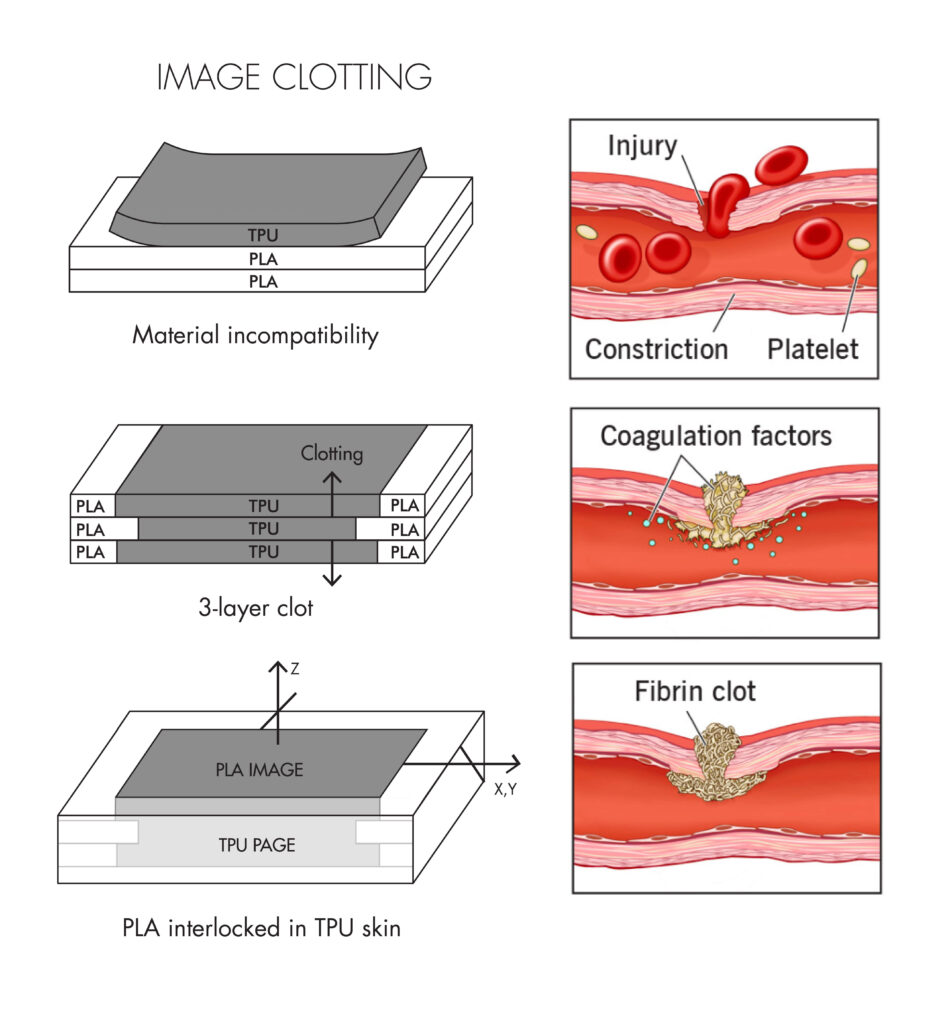
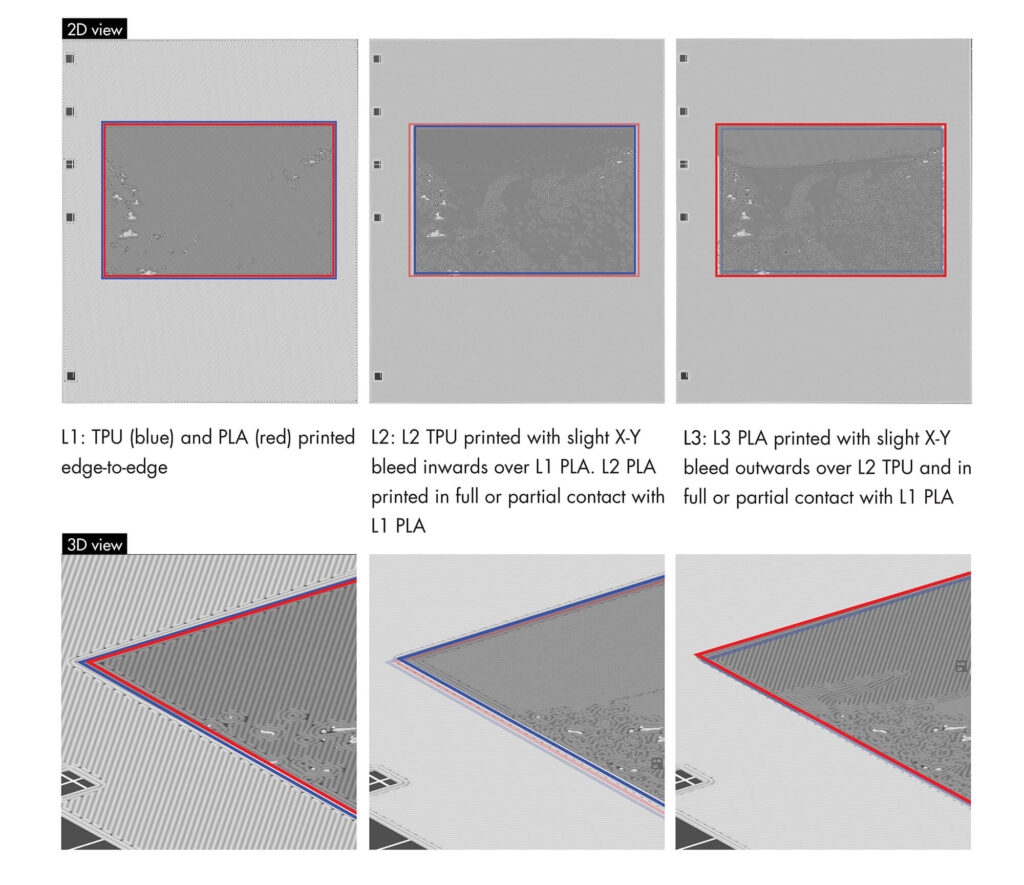
Fig.2. Using the framing of a blood clot to thematically frame the image interlocking method.
In conventional print terminology, a ‘bleed’ refers to an image element that extends beyond the trim edge in the X and Y axes to account for mechanical tolerances and limitations in both printing and cutting processes. These bleeds that ‘overflow’—as if printed images are viscous even after the ink dries—are later trimmed, ensuring the final printed area appears edge-to-edge. In contrast, the volumetric press does not require trimming, as its substrates are printed to precise dimensions. Nonetheless, the principle of the image bleed⁴ can be adapted here, not across the X-Y plane, but along the Z-axis of the voluminous print.
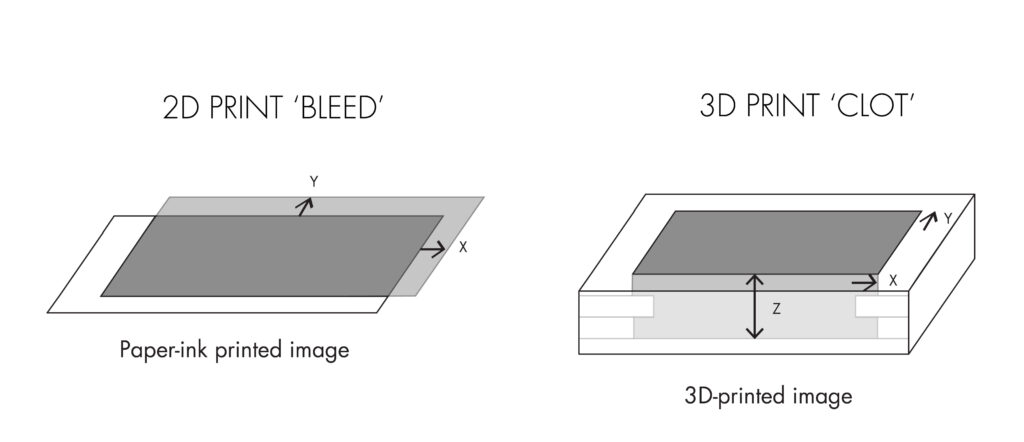
Fig. 3. Differences between an image ‘bleed’ and an image ‘clot’.
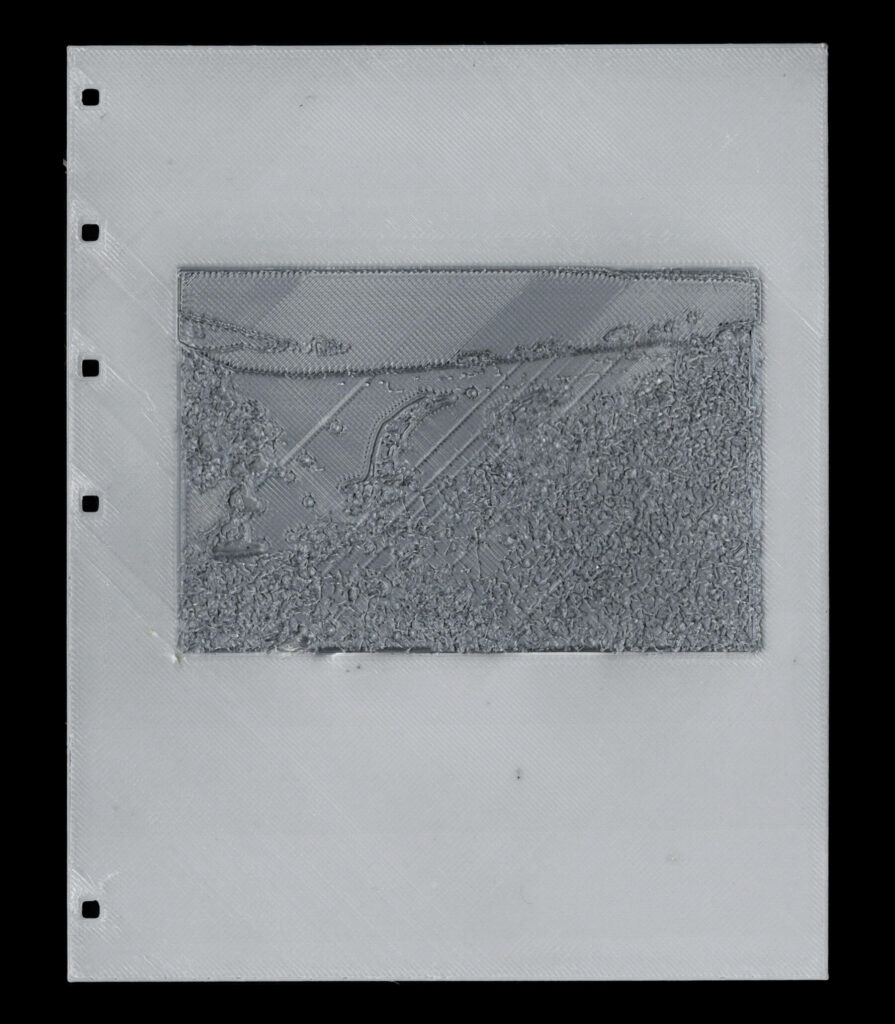
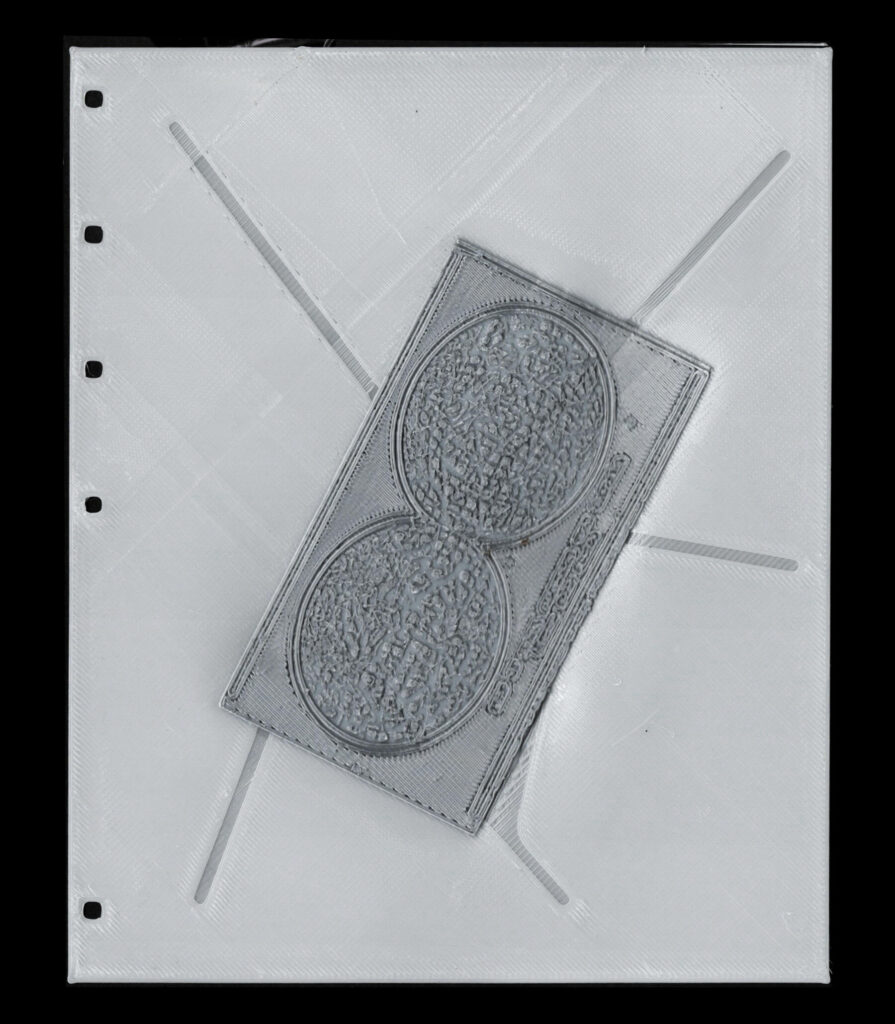
Fig. 4. Various tests of the image clotting method.
This Z-axis “bleed” effectively acts as a surface-level seal, containing the non-binding PLA on a TPU page. Thematically and technically, this method resembles a blood clotting process (Fig. 2 and 3), not simply extending outward, but using itself to form a surface-level seal that prevents internal material from dislodging. With just three-layer height profile, the clotting method can contain a materially-heterogeneous image reliably in place on the page substrate (Fig. 4).